How I Prepared for the MCAT


About Me
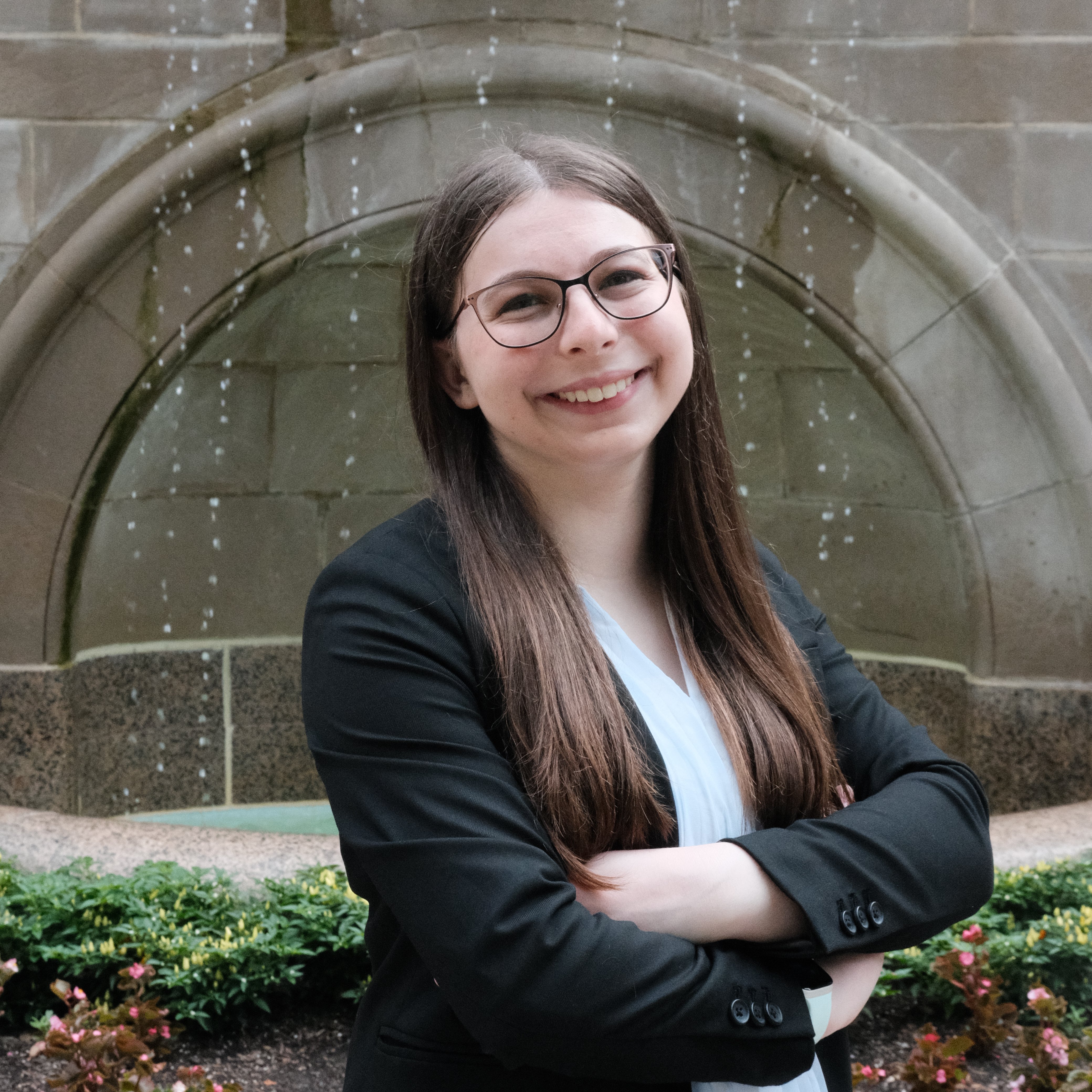
Alison Ross
Undergraduate Institution: University of Pittsburgh
Major: Molecular Biology
Minors: Chemistry, Bioengineering
Certificate: Conceptual Foundations of Medicine
MCAT Score: 518
Time Spent Preparing
The short answer, 5 months, but in reality, this doesn't tell the full story. The start to my MCAT prep began from day one of undergrad, selecting my pre-requisite classes and soaking in as much of the material the first time around as I could. While it is inevitable to forget some of the concepts by the time you are ready to take the MCAT, the more solid that initial foundation is, the easier it is to refresh during content review. The other key nuance to time spent is what else you have going on at the time of studying. I studied during the fall of my junior year (August to January) since I was not taking a gap year. This meant that I was taking biochemistry during my prep time (eliminating some content review), but MCAT studying was also not my sole focus, necessitating the 5 month duration. I spent about 10 hours per week studying during the content review phase, which increased as I got closer to exam time to around 40 hours per week during winter break.
Challenges I Faced
- Balance! The biggest obstacle I faced was coordinating studying while also taking classes. Since I was not taking any gap years, I was worried about keeping my GPA up while also splitting my focus to study. To an extent, there was overlap in the content I was learning for class and MCAT prep, but there was still content to refresh and practice questions to be done.
- How I addressed this challenge: First and foremost, I planned ahead. More specifically, I took a light course load (12 credits was the minimum to be considered full time at Pitt). I also utilized a study plan, where I laid out the weeks where I could designate more or less time studying and adjusted accordingly.
- Finding the right study method. As someone who had done well in my pre-requisite classes, I figured I could utilize the same methods for the MCAT. To an extent that was true, but given the format of the exam, it didn't get me as far as I hoped.
- How I addressed this challenge: One of the keys here is there is no one size fits all, on many fronts. Study methods will change from person to person, but also section to section. When I realized this, I saw the biggest improvement. My study methods for chemistry and biology did not have to change a significant amount because my major had provided a strong enough foundation. However, psych/soc took a lot of trial and error. I eventually landed on flash cards for this section, which I rarely used during my core classes. CARS also took a different approach entirely, as there was no content to review, and practice is required to find the patterns.
Things I Would Do Differently
- Designate specific study time blocks each week. The main thing I would have done differently would be blocking off designated study time as if it was another class in my schedule. While I did have some designated time since I took a Kaplan Live-Online course, that was the only time block that I had solely for studying. The other time I fit in where I could. I quickly learned that if that time is not explicitly blocked off, I would fill that space with something other than studying (such as clubs or events).
- Use flash cards early (if they help you). I am not a big fan of flash cards, so I decided early on to focus on practice questions and videos for content review. However, a month before the exam, I realized that many of the psych/soc terms were still giving me issues. At that point, I gave flash cards a try, just for that section. It helped significantly, quickly translating to score improvement. That said, I felt like I was cramming since I waited so long, so I should have pivoted sooner.